Featured
Table of Contents
They need academic material. Blog site posts, industry reports, believed leadership. Not product information. Give them an itch. Open their eyes. Consideration phase: They have actually defined the issue and are evaluating approaches. They need material that assists them analyze choices. Contrast guides, frameworks, case studies. Choice phase: They have actually picked a method and are evaluating specific vendors.
How DC Leaders Scale During Uncertain CyclesBuild automation sets off that spot which stage somebody is in based on their behaviour and serve them the ideal material. The mistake most B2B online marketers make is pressing decision-stage material (demos, rates) at awareness-stage potential customers.
Email carries most of the weight in B2B marketing automation. 3 to 4 emails that introduce your brand, develop reliability, and deliver genuine value. Not a sales pitch disguised as a welcome.
Consideration-stage potential customers get comparative content. Don't jump straight to "schedule a demonstration" with somebody who downloaded their very first piece of material yesterday. B2B email efficiency varies enormously by market and audience.
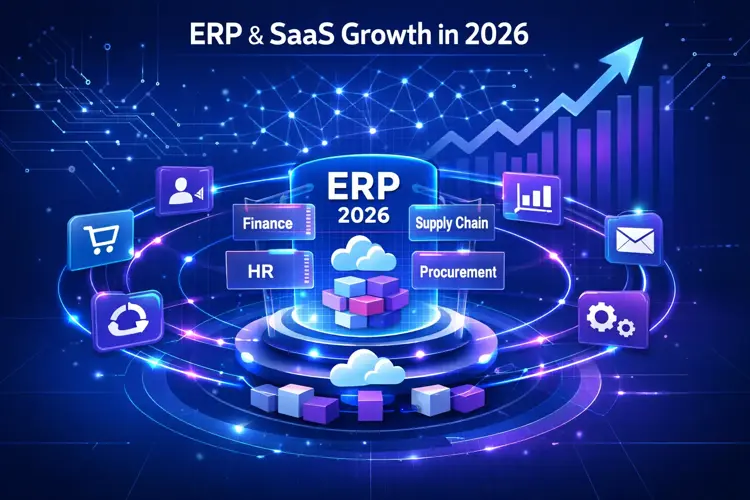
Strategic Software Integration for Scaling Enterprises
Sending the same email to your entire database is a waste of time. Division enables you to customise your email content and timing to each recipient's unique behaviors. Send-time optimisation is worth utilizing if your platform supports it. SalesManago adjusts sending out time automatically based upon each contact's specific activity patterns, so every recipient gets the email when they're probably to open it, not when it's most hassle-free for your scheduler.
How DC Leaders Scale During Uncertain CyclesRetargeting keeps you noticeable with prospects who have actually visited your site. B2B sales cycles are long. Someone who visited your pricing page three weeks ago and went dark may be all set to re-engage.
Particularly useful when you're running ABM projects and desire to surround a target account with constant messaging throughout channels. Social selling on LinkedIn. Your sales team must be active. Automation can support this with recommended material, engagement signals, and CRM logging. The crucial principle throughout all channels: they ought to feed each other.
Essential Tools to Align Sales and Operations Teams
That's an integrated channel strategy. Many business have the channels. You determine your ideal target accounts in advance, focus your resources on them, and develop projects around specific business rather than anonymous audiences.
Market, business size, location, innovation stack (if pertinent), earnings variety. Add intent data. Platforms like Bombora track material intake patterns to identify companies revealing purchase intent.
Integrate firmographic fit with intent signals and you've got a target account list with a real rationale behind it, instead of a spreadsheet somebody developed based on gut feel in 2022. ABM automation operates at the account level, not simply the contact level. You're tracking engagement across several stakeholders at the exact same business and building a photo of account-level purchasing intent.
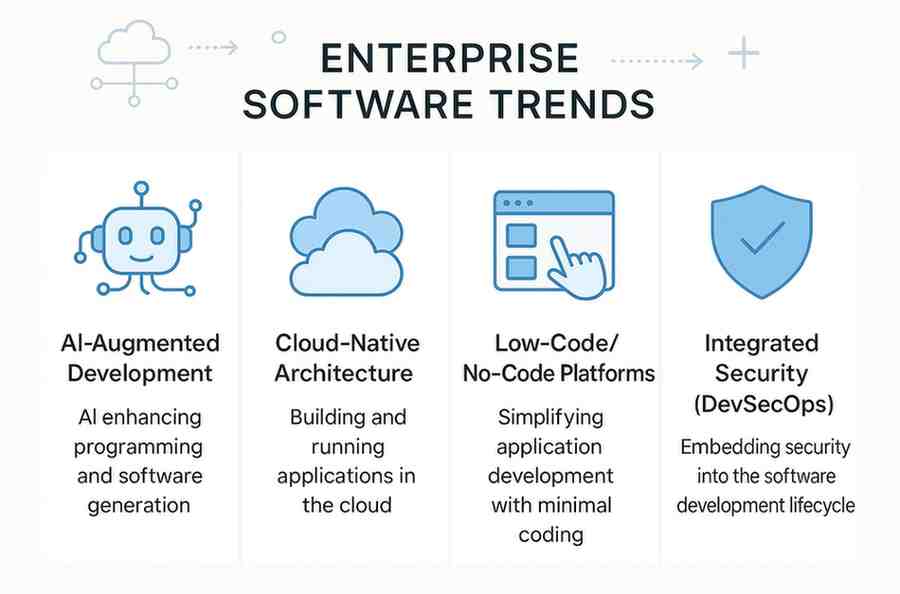
Choosing Your Optimal CRM Stack for 2026
Your automation must emerge that to sales instantly. Your biggest automation error after an offer closes? Post-sale automation should include onboarding series that reduce time-to-value.
Feedback studies at key turning points. Expansion campaigns when consumers show signals of needing more. Your existing customer base is your most valuable pipeline source. Growths and recommendations cost a fraction of brand-new logo acquisition. Build automation that nurtures those relationships as carefully as you support brand-new potential customers. You can have the very best technique in the space and still develop automation that doesn't work.
The most typical B2B marketing automation failure is information. CRM and marketing platform out of sync. Audit your data before you build automation on top of it.
Someone who visited your rates page three times need to reveal that in their CRM record, not just in your marketing platform. First-touch attribution provides all credit to the channel that produced the lead.
Developing a Sustainable 2026 Growth Roadmap
Whatever that constructed trust over 6 months gets no recognition. More truthful, more intricate, and it requires tidy data throughout every channel to work appropriately.
Do not let best attribution become an 18-month job that postpones whatever else. Email open rates are a vanity metric. They inform you if your subject line dealt with the day you sent it. That's it. These are the numbers that in fact matter: MQL to SQL conversion rate: Are marketing leads in fact transforming to sales opportunities? If this is low, your lead scoring is off or your MQL requirements are too loose.
Customer acquisition cost by channel: Which channels generate customers most efficiently? Put more money there. Customer lifetime value: Are the clients you're acquiring really worth what it cost to obtain them? High CAC can be justified by high LTV. Low LTV can not. Evaluation these regular monthly. Construct dashboards. Stop operating on gut feel about what's working.
Platform selection. The area where every guide turns into a supplier contrast table. Here's what to in fact evaluate, instead of getting swayed by a demo that shows every function at its outright finest. CRM combination: Non-negotiable. Your marketing platform and CRM need to share data in real-time. If they do not, lead scores are stale, sales notifies are postponed, and your personalisation is built on insufficient information.
Why Predictive AI Drives Enterprise Growth
For mid-market teams who desire real CRM sync without a six-month application, it's worth examining platforms like SalesManago that are constructed specifically for your day-to-day. Lead scoring and division: Scores and segments ought to update as behaviour changes, and not by hand either, not overnight in a batch procedure, in real-time.

Latest Posts
Maximizing ROI With Multi-Channel B2B Campaigns
Securing Your Modern Platform Using 2026 Technologies
What Businesses Require Smart SEO Strategies